
 08045475786
 Send Inquiry
multicut bajra RSB-9587
About multicut bajra RSB-9587
Technical specification
|
Bajra |
Hybrid BOSS-55 |
|
Plant Height |
200-220 cm |
|
Earhead Compactness |
Compact |
|
Duration |
80-85 days |
|
Grain Characteristics |
Bold, Globular grain with ash cColoured grains |
|
Disease Tolerance |
Moderateky tolerant to Downy Milddew |
|
Adaptability |
Suired for growing in kharif in states of Rajisthan, Haryana Uttar pradesh, Madhya Pradesh Maharashtra, Karnataka and Andhra Pradesh |
|
Special Features/USPs |
Very high grain and fodder yields Compact earhead with bold sized grainsGood succulent fodder
|
Consistent High Yield for Multiple Uses
Hybrid Bajra-Boss 55 is engineered to provide a substantial yield within 75-80 days, making it highly efficient for both fodder and processed grain purposes. Its greyish-green grains have an impressive purity of 98%, ensuring quality and safety for animal feed or, after appropriate processing, for human consumption. This versatility makes it a valuable addition for farmers aiming to maximize productivity.
Built-in Disease Tolerance and Shelf Life
This hybrid variety is specifically bred for tolerance against common diseases like Downy Mildew and Rust, reducing crop loss and minimizing maintenance. With a shelf life of one year when stored in cool, dry conditions, Bajra-Boss 55s moisture-proof packaging guards quality and extends usability for both large-scale and smaller operations.
FAQs of Hybrid Bajra-Boss 55:
Q: How should Hybrid Bajra-Boss 55 be sown for optimal results?
A: Sow Hybrid Bajra-Boss 55 seeds in well-prepared soil under typical field conditions. Ensure even spacing, and maintain recommended moisture during early growth for best germination and yields. Standard agricultural practices for Bajra cultivation are suitable for this hybrid type.Q: What are the primary uses of Hybrid Bajra-Boss 55?
A: This hybrid variety is primarily cultivated for high-yield animal fodder, but after suitable processing, the grain is also fit for human consumption. Its purity and disease tolerance make it safe and nutritious for both applications.Q: When is the ideal time to harvest Hybrid Bajra-Boss 55?
A: Bajra-Boss 55 should be harvested 75-80 days after sowing, once the grains reach maturity and the plant dries naturally. Timely harvest ensures optimal yield and quality.Q: Where should I store Bajra-Boss 55 seeds after purchase?
A: Store the seeds in a cool, dry place away from direct sunlight. The moisture-proof poly bags provided help maintain their viability and quality during storage, supporting a shelf life of up to one year.Q: What makes Bajra-Boss 55 beneficial for exporters and suppliers?
A: With a high germination rate, strong disease resistance, and durable packaging, Bajra-Boss 55 is reliable for large-scale supply chains. The minimum order of 100 kg ensures consistent availability, and the varietys quality standards support both domestic and international trade.Q: How is Bajra-Boss 55 processed post-harvest?
A: After harvest, the grains undergo sun drying to achieve a moisture content of 12%. Proper drying and storage limit admixture to 1% and imperfect grains to less than 1%, preserving overall quality.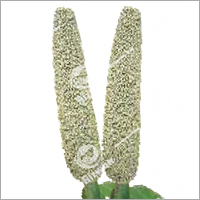
Tell us about your requirement

Price:
Quantity
Select Unit
- 50
- 100
- 200
- 250
- 500
- 1000+
Additional detail
Mobile number
Email

More Products in Package of Practices Category

Contact Details
RIZWAN SEED COMPANY
GST : 03AWMPS7352K1Z0

- LUDHIANA ROAD, NEAR RADHA SWAMI SATSANG GHAR, Malerkotla - 148023, Punjab, India
- Phone :08045475786

- Mr Mohd Saleem (Marketing Head)
- Mobile :08045475786
- Send Inquiry
- Mr. Mohd Rizwan
Mob. No. +919356207013
 Send Inquiry
|

 Send Inquiry
 Send SMS
RIZWAN SEED COMPANY
All Rights Reserved.(Terms of Use)
Developed and Managed by Infocom Network Private Limited.
Developed and Managed by Infocom Network Private Limited.
